K1
Other variants K1 Geek · K1 Education · K1 Professional
Figures below are for K1.
Booster Robotics K1 is a humanoid robot from China, first released 2025.
Sources retrieved: (A) · (B)
- Status
- In production
- Applications
- Indicative price
- Not stated
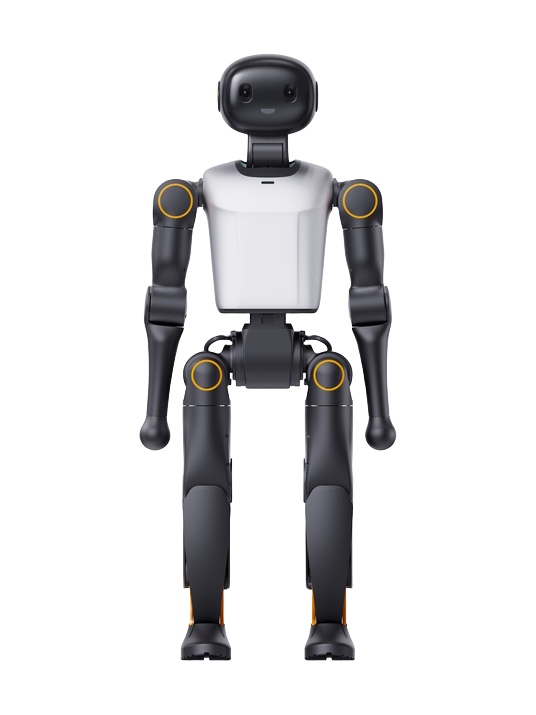
Product image from a reseller's page (canadasatellite.ca), not the manufacturer's own site; taken from the curated list of Chinese humanoid cutouts.
Specifications
13 of 33 stated 20 not stated
20 fields hidden
How to read the figuresShow guideClose
- not statedNo source
- noyesStated by a source
- 0Reported as zero
- ASource
- A*Source with a caveat (select it)
- CERecords only what the manufacturer states regarding CE marking.
Select a source marker for source details and notes.
Physical6/14 disclosed
Power1/5 disclosed
Sensing and autonomy3/6 disclosed
Payload and expansion1/3 disclosed
Commercial0/1 disclosed
Compliance & certifications2/4 disclosed
Against the field
Each strip holds every robot of this type in the guide that states the figure, one bar per group of values. Further right means a larger figure, not a better robot. A taller bar means more robots in that group.
Height
approximately 95cmapproximately 37.4inOur conversion from 95 cm. The manufacturer does not state an imperial figure itself, so the conversion has no source of its own.
156 humanoids state a height
147 state a higher figure, 5 a lower one. 1 more states exactly the same figure. 2 state only a bound (≥ or ≤) and are not ranked. Neo1 lies beyond the end of the axis and is drawn at its edge as an open bar.
Weight
approximately 19.5kgapproximately 43lbOur conversion from 19.5 kg. The manufacturer does not state an imperial figure itself, so the conversion has no source of its own.
152 humanoids state a weight
137 state a higher figure, 4 a lower one. 10 state only a bound (≥ or ≤) and are not ranked. Log scale: each step along the axis multiplies the value.
Degrees of freedom
22DoF
141 humanoids state degrees of freedom
114 state a higher figure, 10 a lower one. 1 more states exactly the same figure. 1 states a range that includes this figure. 14 state only a bound (≥ or ≤) and are not ranked. Protoclone V1 lies beyond the end of the axis and is drawn at its edge as an open bar.
Max speed
7.2km/h4.47mphOur conversion from 2 m/s. The manufacturer does not state an imperial figure itself, so the conversion has no source of its own.
107 humanoids state a top speed
24 state a higher figure, 41 a lower one. 10 more state exactly the same figure. 2 state a range that includes this figure. 29 state only a bound (≥ or ≤) and are not ranked.
Notes
Booster sells K1 in three editions — Geek, Education, Professional — shown side by side on one product page. Height (~95cm), weight (~19.5kg) and degrees of freedom (22) are identical across all three. Compute, battery and runtime differ per edition: compute 48/117/200 TOPS; battery 2Ah Geek vs 5Ah Education/Professional; runtime while walking at 0.4 m/s 30min Geek vs 80min Education/Professional.
Total DoF (22) is broken down on the page as: legs 6 DoF per leg, arms 4 DoF per arm, head 2 DoF (6x2 + 4x2 + 2 = 22).
Booster's own K1 page offers all three editions for sale through the manufacturer's online store; no price is shown.
Booster describes K1 as “RoboCup 2025 KidSize champion & runner-up” and cites a customer case with the HTWK Team (Germany) and a stage-performance case at the “2025 World Humanoid Robotics Games”; these are competition and demonstration results, not a named industry category.
Booster Robotics' press release of 30 October 2025 (PR Newswire, reprinted by Tirto) announces the official launch of Booster K1 at its 2025 ecosystem conference in Beijing.
Intended use, per the manufacturer. “Introductory Embodied Development Platform; a powerful assistant for embodied AI education and an essential introductory choice for embodied development.”
Sources
One line per source, not per figure: a source has one retrieval date.
- Abooster.tech/booster-k1Main source. Retrieved
- Bdocs.booster.tech/docs/product-manual/k1/getting-started/specifications/Secondary. Retrieved
More robots
Same manufacturer
All robots from Booster Robotics