Key figures as stated by the manufacturer
2 of 6 stated · 4 gaps- Weight A 95kg209lbOur conversion from 95 kg. The manufacturer does not state an imperial figure itself, so the conversion has no source of its own.
- Payload, walking not stated
- Runtime A 90minWarning: load condition not stated
- Max speed not stated
- AI model not stated
- Indicative price not stated
How to read the figures
- 14kgA30.9lbA
- The letter in the grey square after a figure points to the source the figure came from. Robots with several sources carry several letters.
- Payload, walking
- A stroke before a field name means the figure carries a caveat that affects how it compares with other robots. The caveat is printed with the figure.
- 74.5lb
- Imperial figures are our own conversion unless the manufacturer states an imperial figure itself. The source letter always belongs to the metric figure — a conversion has no source of its own.
Deviations and variants in the key figures (3)
Weight
Note From the technical specifications.
Payload, walking
Note That is an arm-specific figure, not a figure for what the whole robot can carry.
Runtime
Caveat The 1.5 h figure is given for walking; standby is 3 h. No load is given.
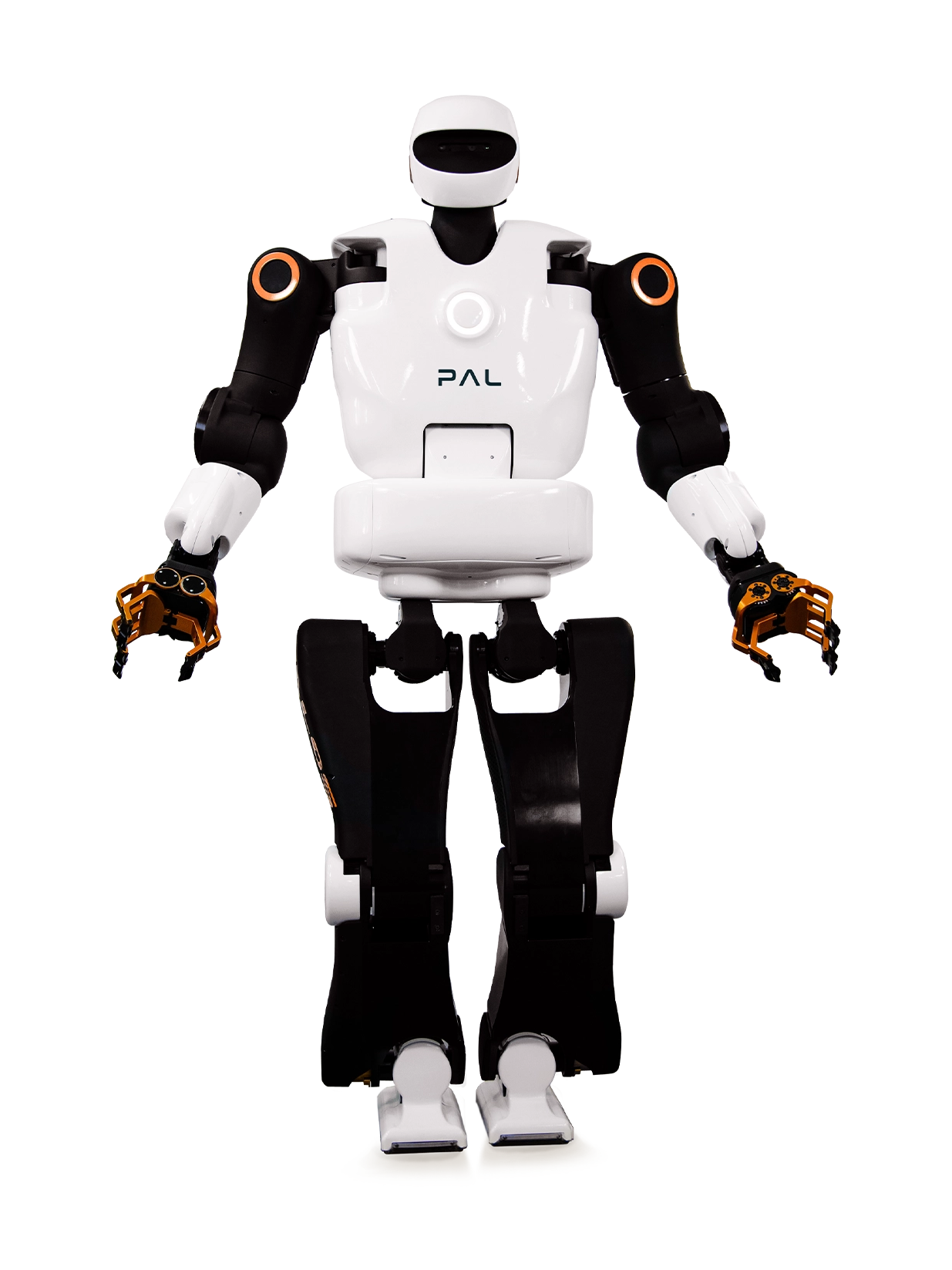
Manufacturer's own photo.
Intended use, per the manufacturer
The manufacturer’s words
TALOS, the advanced humanoid robot designed to boost your research
Source: pal-robotics.com · Retrieved
This category is not our assessment.
Full specifications
3 of 33 fields stated| Field | Value | Source and caveats |
|---|---|---|
| Physical | ||
| Weight | 95kg209lbOur conversion from 95 kg. The manufacturer does not state an imperial figure itself, so the conversion has no source of its own. | Note From the technical specifications. A |
| Length | not stated | |
| Width | not stated | |
| Height | 175cm68.9inOur conversion from 175 cm. The manufacturer does not state an imperial figure itself, so the conversion has no source of its own. | Note From the technical specifications. A |
| Degrees of freedom | not stated | |
| Payload, walking | not stated | Note That is an arm-specific figure, not a figure for what the whole robot can carry. A |
| Payload, standing | not stated | |
| Max speed | not stated | |
| Max slope | not stated | |
| Single obstacle | not stated | |
| Stair step, continuous | not stated | |
| IP rating | not stated | |
| Operating temperature, low | not stated | |
| Operating temperature, high | not stated | |
| Power | ||
| Battery | not stated | |
| Runtime | 90minWarning: load condition not stated | Caveat The 1.5 h figure is given for walking; standby is 3 h. No load is given. A |
| Hot-swap battery | not stated | |
| Charge time | not stated | |
| Docking station | not stated | |
| Sensing and autonomy | ||
| LiDAR | not stated | |
| Cameras | not stated | |
| Onboard compute | not stated | |
| ROS 2 | not stated | Caveat The page says TALOS is fully developed in ROS and does not name a ROS version. A |
| SDK languages | not stated | |
| Autonomy level | not stated | |
| Payload and expansion | ||
| Mounting interface | not stated | |
| Power out | not stated | |
| Data ports | not stated | |
| Commercial | ||
| Indicative price | not stated | |
| EU | ||
| CE stated | not stated | Records only what the manufacturer states regarding CE marking. |
| FCC stated | not stated | |
| UL stated | not stated | |
| CCC stated | not stated | |
Notes
- PAL Robotics describes TALOS as a walking biped robot capable of lifting objects up to 6 kg with one arm fully extended.
- The page says TALOS is used globally in top labs driving robotics, AI, and human-centered tech.
- The TALOS page carries a "Request a quote" button.
- IEEE Spectrum reported on 7 March 2017 that PAL Robotics was introducing TALOS, a 32-degree-of-freedom humanoid that improves on its REEM humanoids.
The manufacturer’s own page
The manufacturer’s original product page for this model.
Open the manufacturer’s page for TALOShttps://pal-robotics.com/robot/talos/
Sources
-
A
Manufacturer product page. pal-robotics.
com/ · Retrievedrobot/ talos/
One line per source, not per figure: a source has one retrieval date. The letter beside a figure points to the line it came from.